Bilicube Journal
Practical notes on design, research,
and creative work with AI.
How to Name Design Tokens for Easier Maintenance
A design-token name should explain why a value exists, not merely describe how it looks today. blue-500 may be easy to create, but it becomes misleading when the brand color changes. button-primary-background communicates more intent, yet it can also create unnecessary coupling if the same role belongs to links, menus, and other actions. The maintenance-first rule is simple: name tokens by stable intent first, then add only the scope, state, or component context needed to distinguish valid uses. Every extra word creates a promise that the system must keep true. Every missing qualifier can leave consumers guessing.

Asana vs Airtable for Creative Intake
The better choice between Asana and Airtable for creative request intake depends on what happens after a request arrives. If the request should quickly become an assigned task with an owner, due date, and delivery path, Asana is usually the more direct fit. If the team must preserve varied request details, relate work to campaigns or assets, and inspect the same information through several operational views, Airtable is usually the stronger candidate.
How to Code Qualitative Design Research
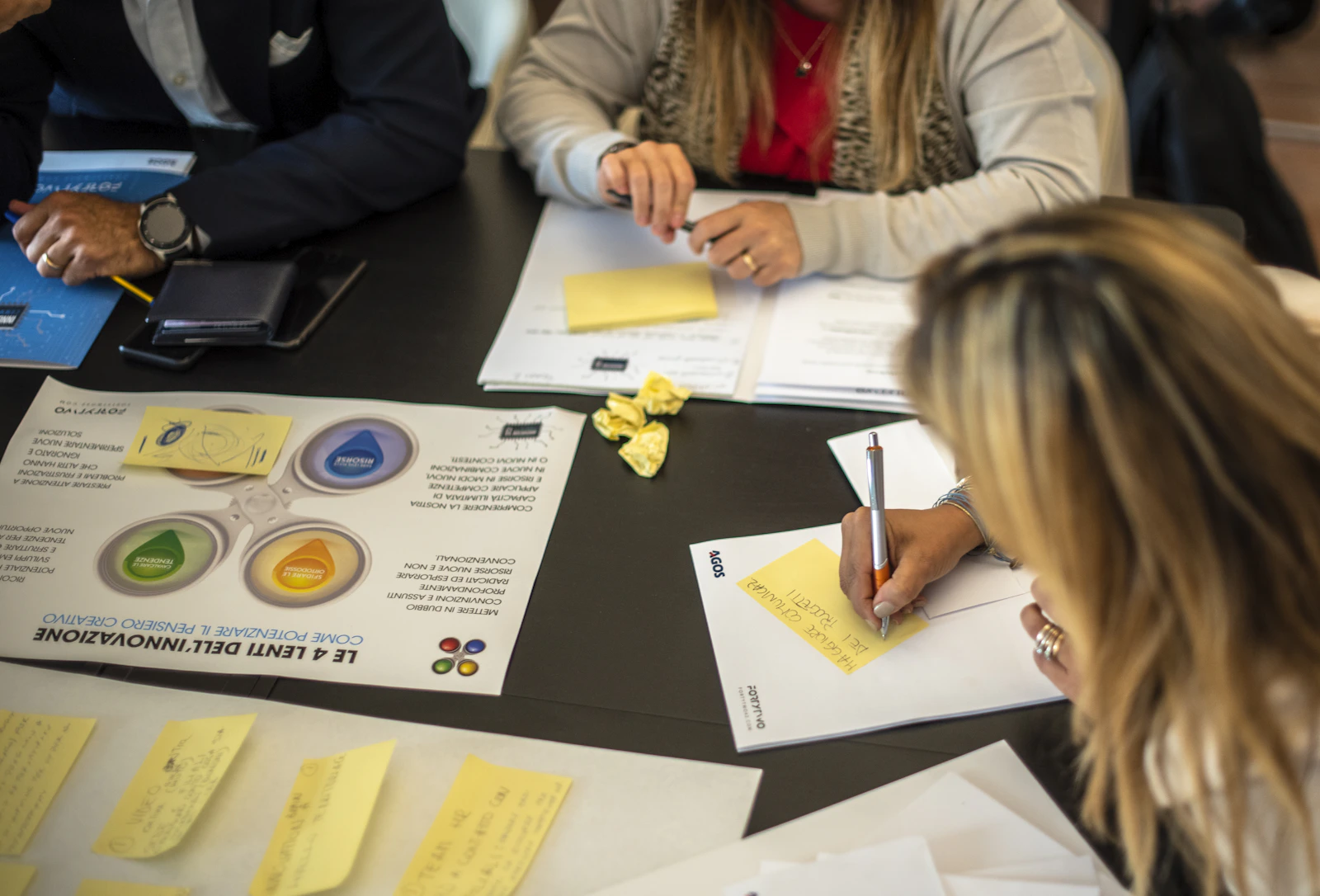
Qualitative coding becomes flattening when a short label replaces the conditions that made an observation meaningful. A comment about “missing” a control may describe a navigation problem, an unfamiliar task, a device constraint, a preceding action, or an explanation the participant is still uncertain about. The words alone cannot decide among those possibilities. A defensible approach to coding qualitative design research treats codes as provisional handles for retrieval and comparison. It stores context with each excerpt, separates description from interpretation, delays broad categorisation, and carries uncertainty into any design implication. The goal is not to eliminate judgment. It is to make judgment visible, revisable, and appropriately bounded.

When Should an AI Design Workflow Pause?
An AI design workflow should pause when the available context, evidence, authority, or reversibility is not strong enough for the next step.
Primitive vs Semantic Tokens for Multi-Brand Systems
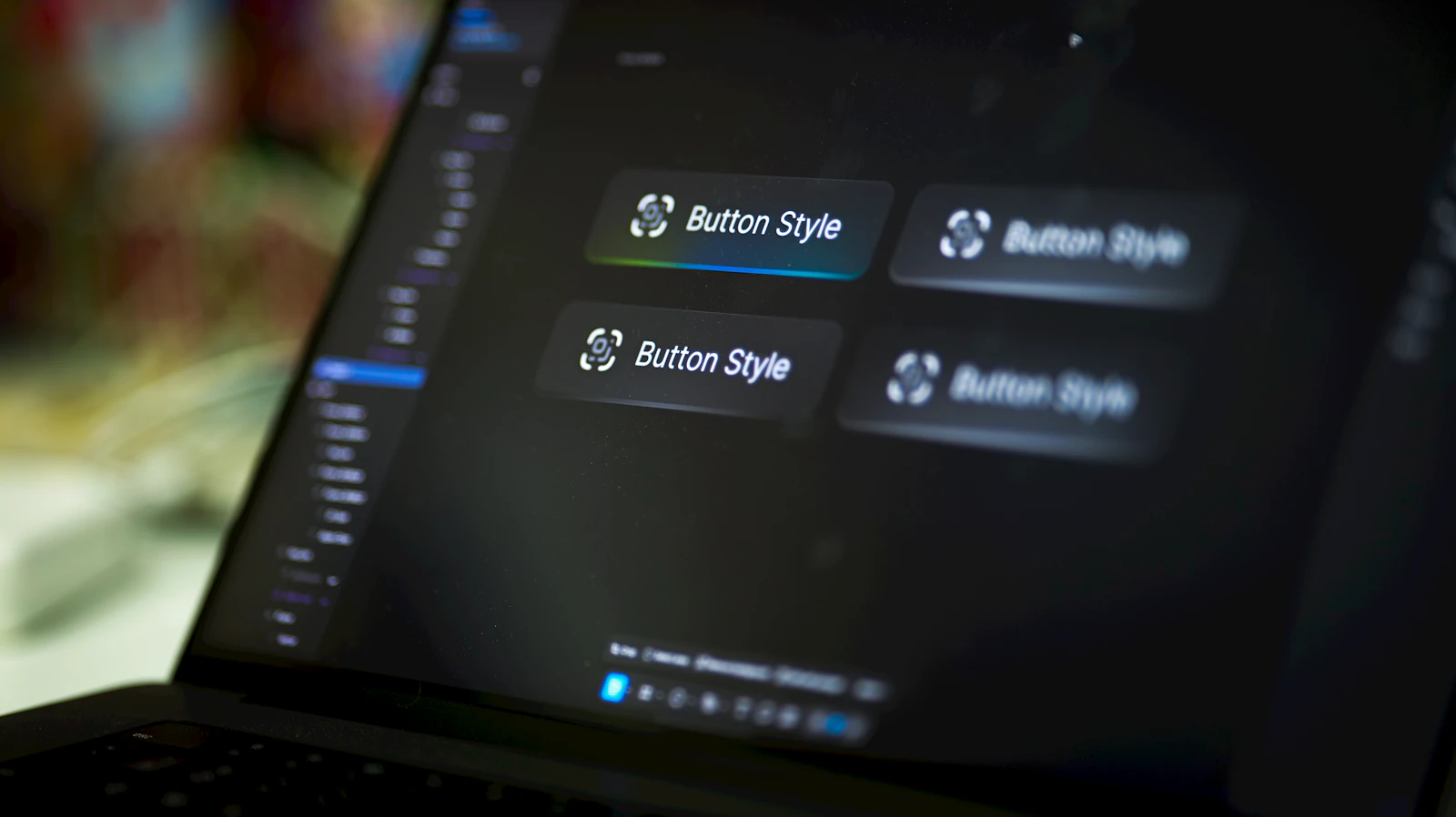
Primitive and semantic tokens solve different problems in a multi-brand design system. Primitive tokens store reusable values such as colors, spacing units, and type sizes. Semantic tokens describe what those values mean in an interface, such as a primary action background, default surface, or muted text role. The practical question is not which layer is universally better. It is whether recurring brand variation justifies the extra naming, mapping, and governance required by a semantic layer.
AI-Assisted Design File Cleanup Checklist
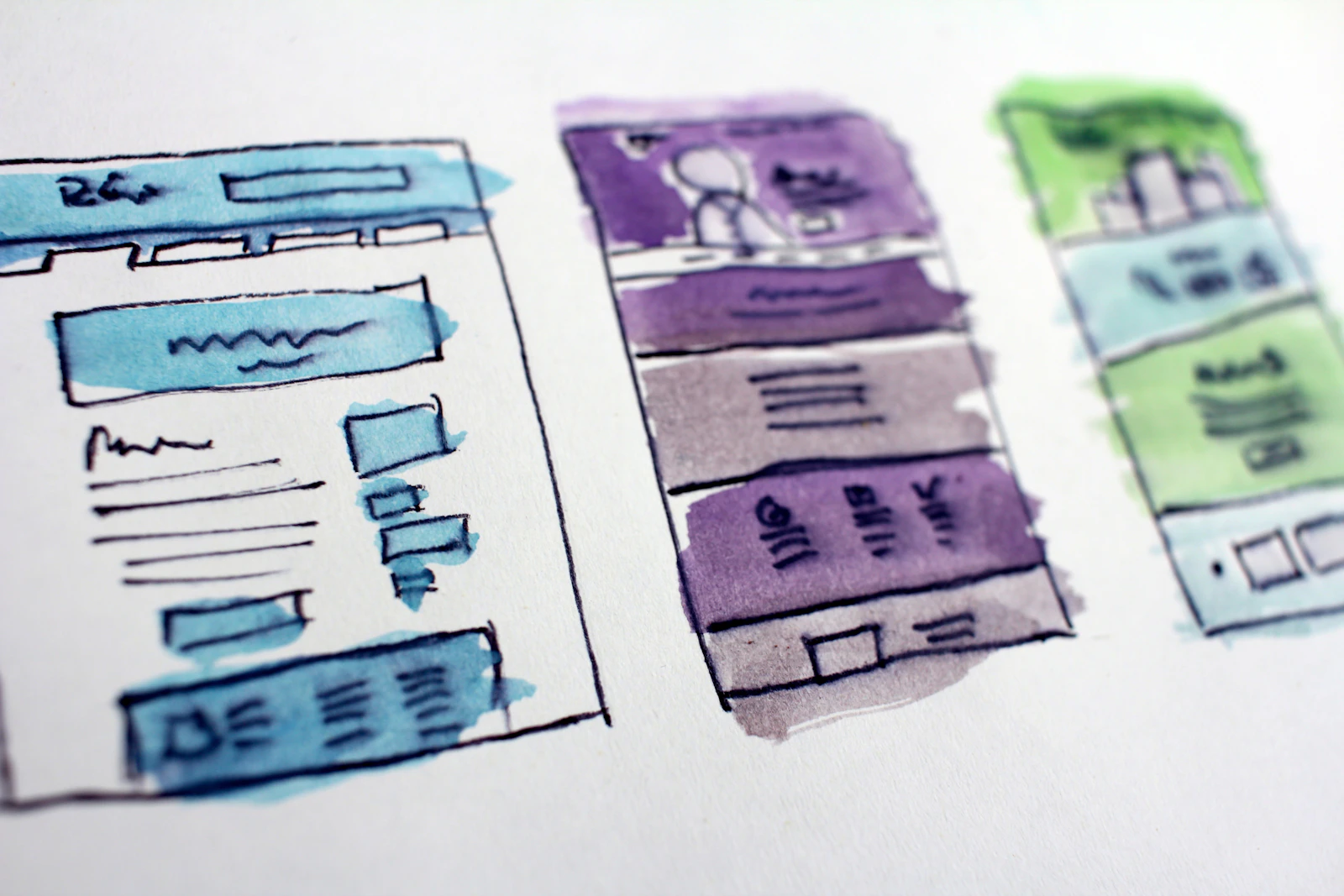
AI works best here as a second pair of eyes, not as an automatic file-cleanup tool. A reliable cleanup checklist therefore moves from inventory to classification to evidence-backed recommendations, with human approval for changes that could affect meaning, history, reuse, or the source of truth. Define the cleanup boundary first Before asking AI to inspect a file, record what is in scope. Identify the file or project, its current source of truth, the date of the review, and the types of content that may be examined. Include pages, frames, components, styles, variables, attachments, exports, comments, and linked references when they matter to the file’s use.
How to Turn Research Notes Into Design Decisions
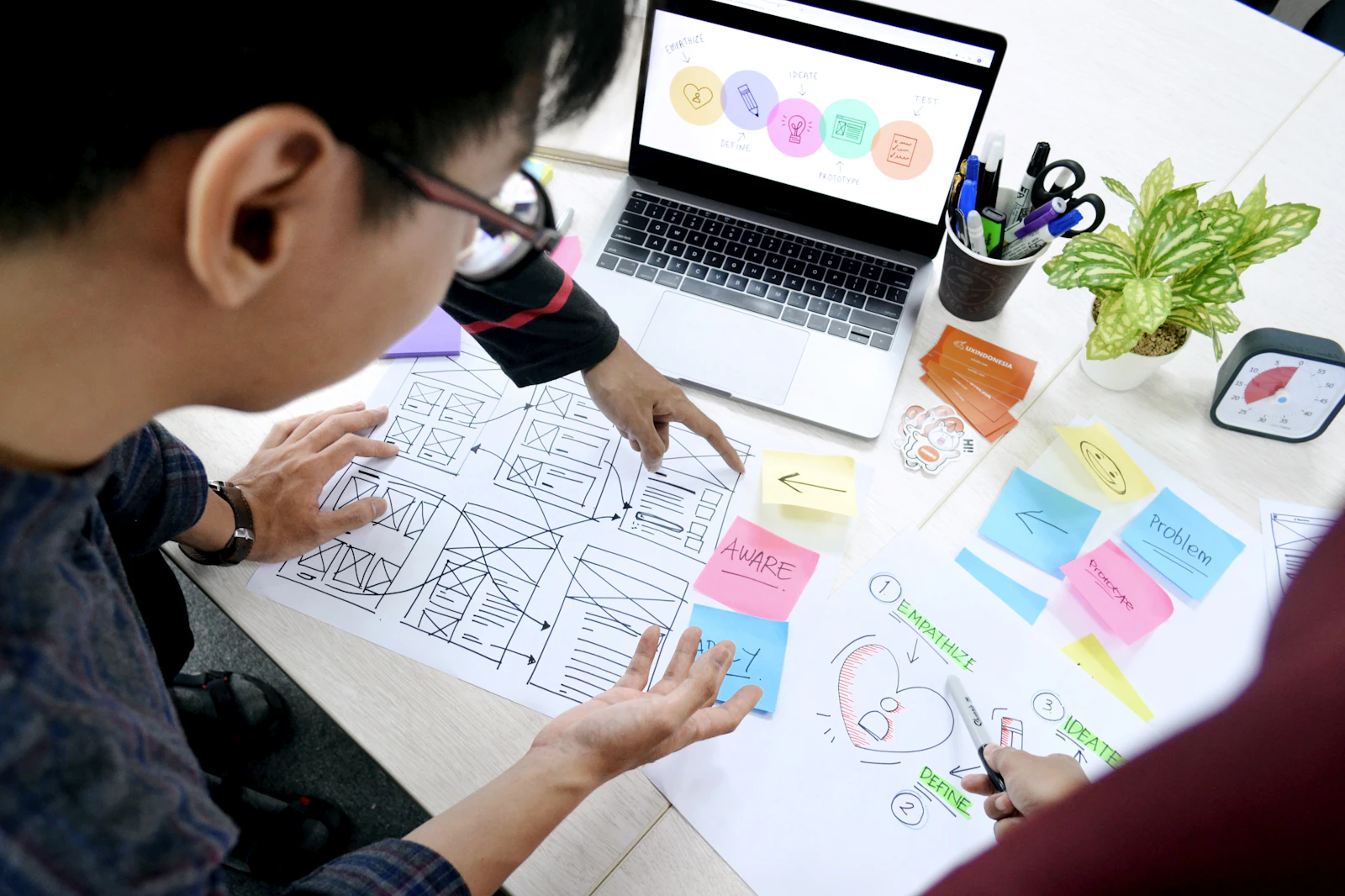
Research notes rarely arrive as clean evidence. A single document may combine what someone observed, why the team thinks it happened, and what a designer recommends doing next. If that mixture moves directly into a shared component, token, or guideline, a local interpretation can become a system-wide rule without a clear record of how the decision was reached. A stronger path is a gated evidence-to-decision chain: preserve the observation, synthesize the finding, state the interpretation, define the decision boundary, choose the smallest system response, and record when the decision should be revisited. This does not make a research finding universal. It makes the team’s reasoning inspectable.
Hugo Content Checks Before Publishing
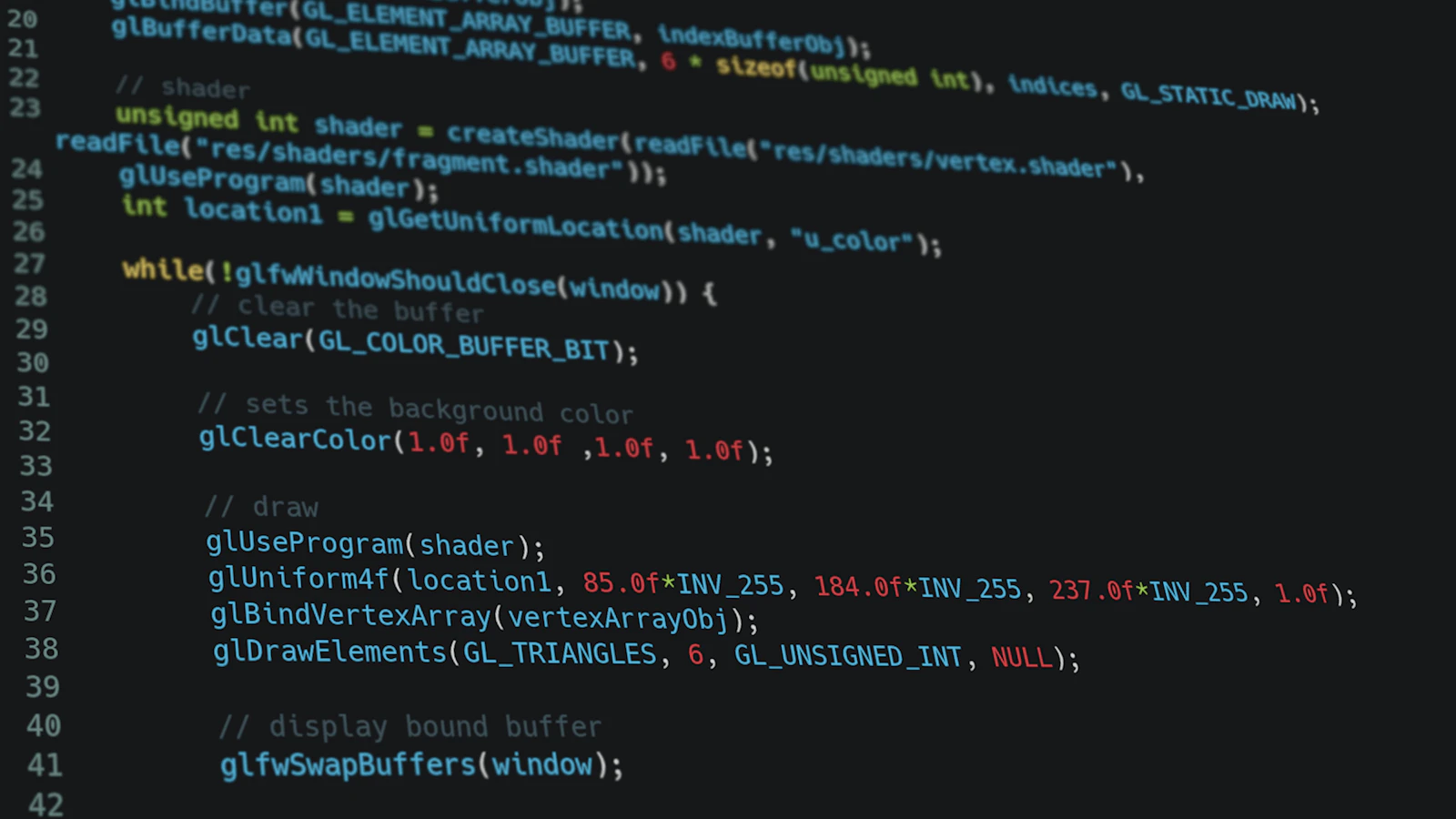
A Hugo build can succeed while publishing the wrong content. Drafts may be included by the selected build mode, files from an earlier build may remain in the output directory, and example content from a theme may appear beside the site’s real pages. A useful pre-publish gate tests those predictable conditions explicitly; it does not treat a green build as proof that the site is ready. The practical boundary is simple: automate conditions that can be stated as invariants, then review the rendered site and editorial substance separately.
How to Detect Semantic Drift in Design Tokens
To detect semantic drift in design tokens, compare what each token is supposed to mean—not only whether its name and file format still match. A token can remain valid in a design file and a code package while its role, reference chain, binding, or rendered result has diverged. The useful audit is cross-layer. It connects semantic definitions to the design-tool representation, code package, consuming component, and representative UI state. The result should be a discrepancy record that explains what differs, where it matters, and whether the team should correct, migrate, or deliberately preserve the difference.